
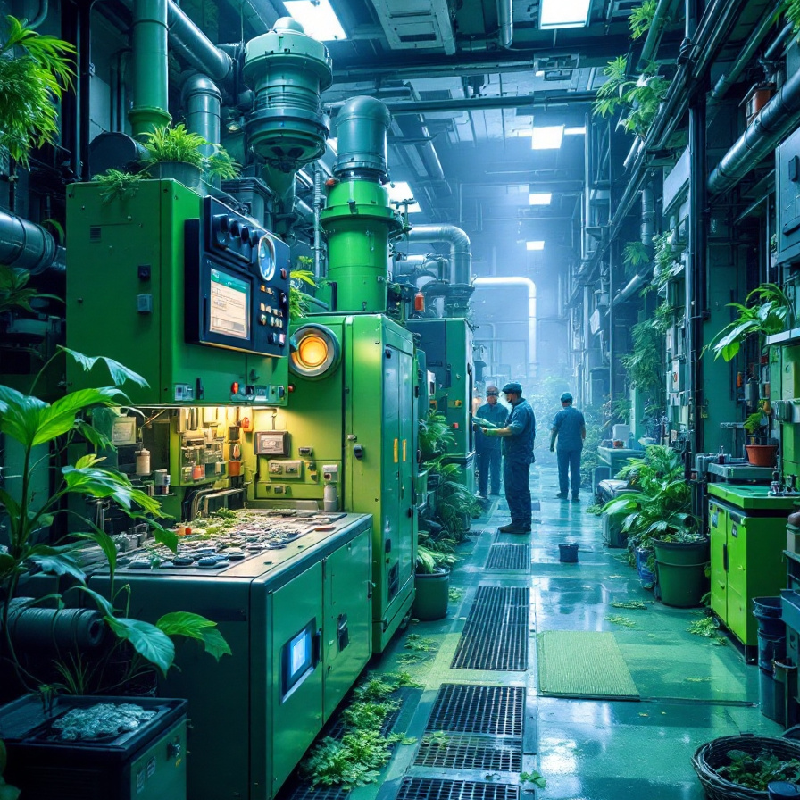
Conversion of Different Feedstocks
Our advanced Resident Time Technology (RTT) is not limited to a single waste stream. Its versatility allows for the conversion of a wide range of feedstocks into clean energy, fuels, and reusable byproducts. Each material has its own optimized thermal pathway, ensuring high-efficiency, low-emission output.
Biosolids (Sewage Sludge) ➜ Electricity & Biochar
- Ideal for municipalities and wastewater treatment facilities
- Thermal breakdown of organic matter produces syngas, used for power generation
- Produces biochar, a carbon-rich material used for:
- Soil enhancement
- Carbon sequestration
- Odour and contaminant absorption
- Captures clean water vapour in the process
Wood Waste & Agricultural Residues (incl. Chicken Manure) ➜ Electricity & Biocharr
- Forestry byproducts and sawmill waste
- Chicken manure rich in nitrogen and organics
- Converted into thermal energy or electricity through syngas combustion
- Yields high-quality biochar rich in nutrients and carbon
- Suitable for on-site energy production at farms or wood processing plants
Medical Waste ➜ Clean Electricity
- Includes contaminated plastics, PPE, syringes, bandages
- Thermal decomposition in a closed system, avoiding incineration
- Pathogen-free output with no emissions or residue leakage
- Syngas used for on-demand electricity generation
Coal (Clean Conversion) ➜ Electricity & Synthetic Fuel
- Converts low-grade coal or tailings using controlled RTT process
- Produces synthetic fuels (liquid hydrocarbons) or electricity
- More sustainable than direct combustion or coal-fired boilers
Natural Gas ➜ Fuel & Methanol
- Utilizes methane-rich feedstock or pipeline gas
- Through controlled syngas upgrading, produces:
- Methanol
- Synthetic diesel
- Hydrogen (optional pathway)
- Excellent for chemical industry, off-grid fuel production, or blending with biofuels
Why This Matters
Our multi-retort RTT system adapts to the composition and moisture level of each feedstock, optimizing:
- Conversion efficiency
- Emissions control
- Byproduct reuse
- Energy flexibility (electricity, fuel, heat, chemicals)